Success Story
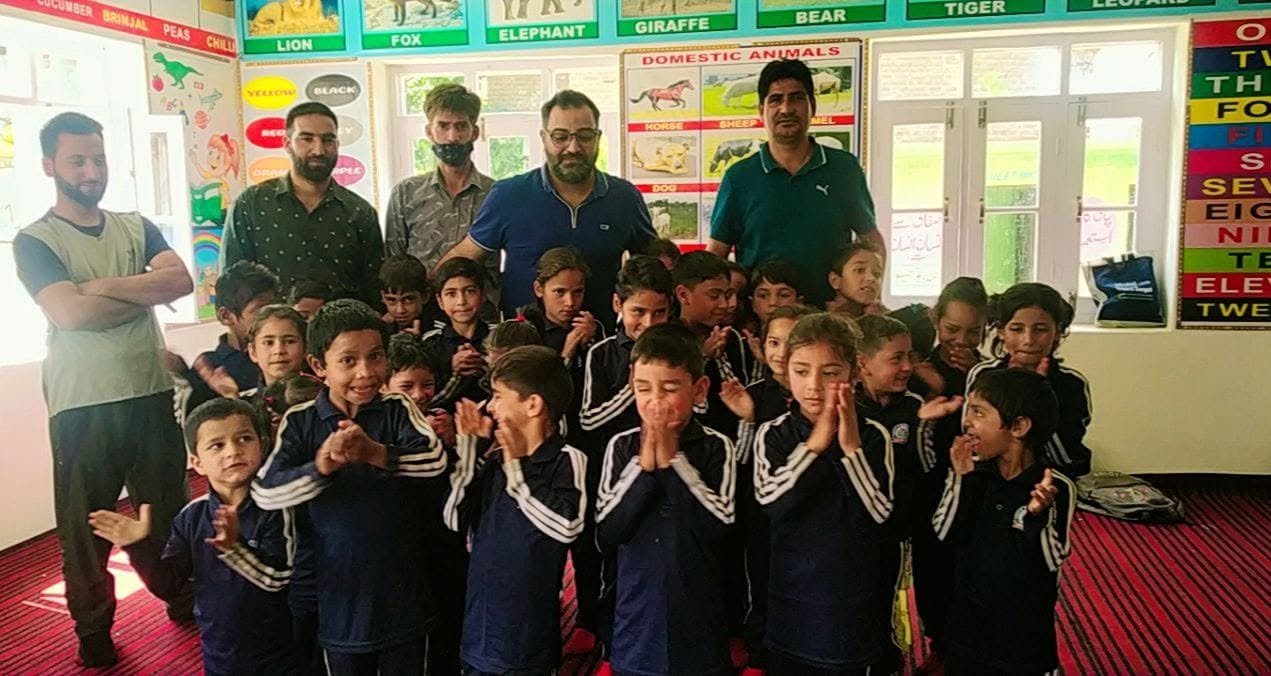
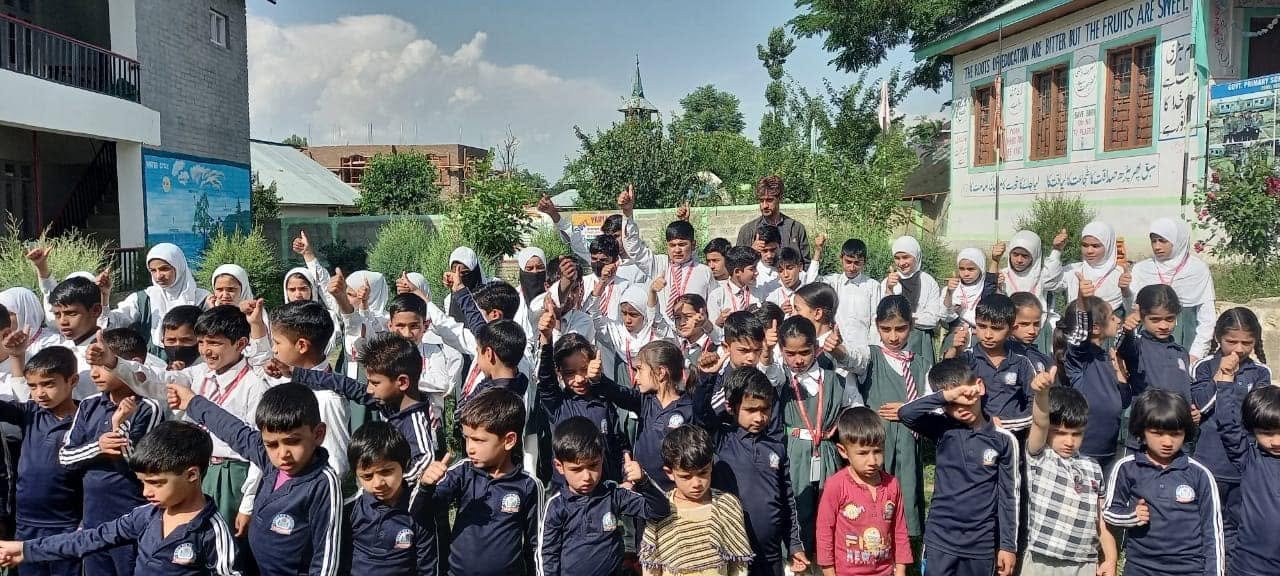
Govt. Primary School
PIRPORA (ZONE KEEGAM) SHOPAIN
From Neglect to Progress: How a Small School Found Its Voice
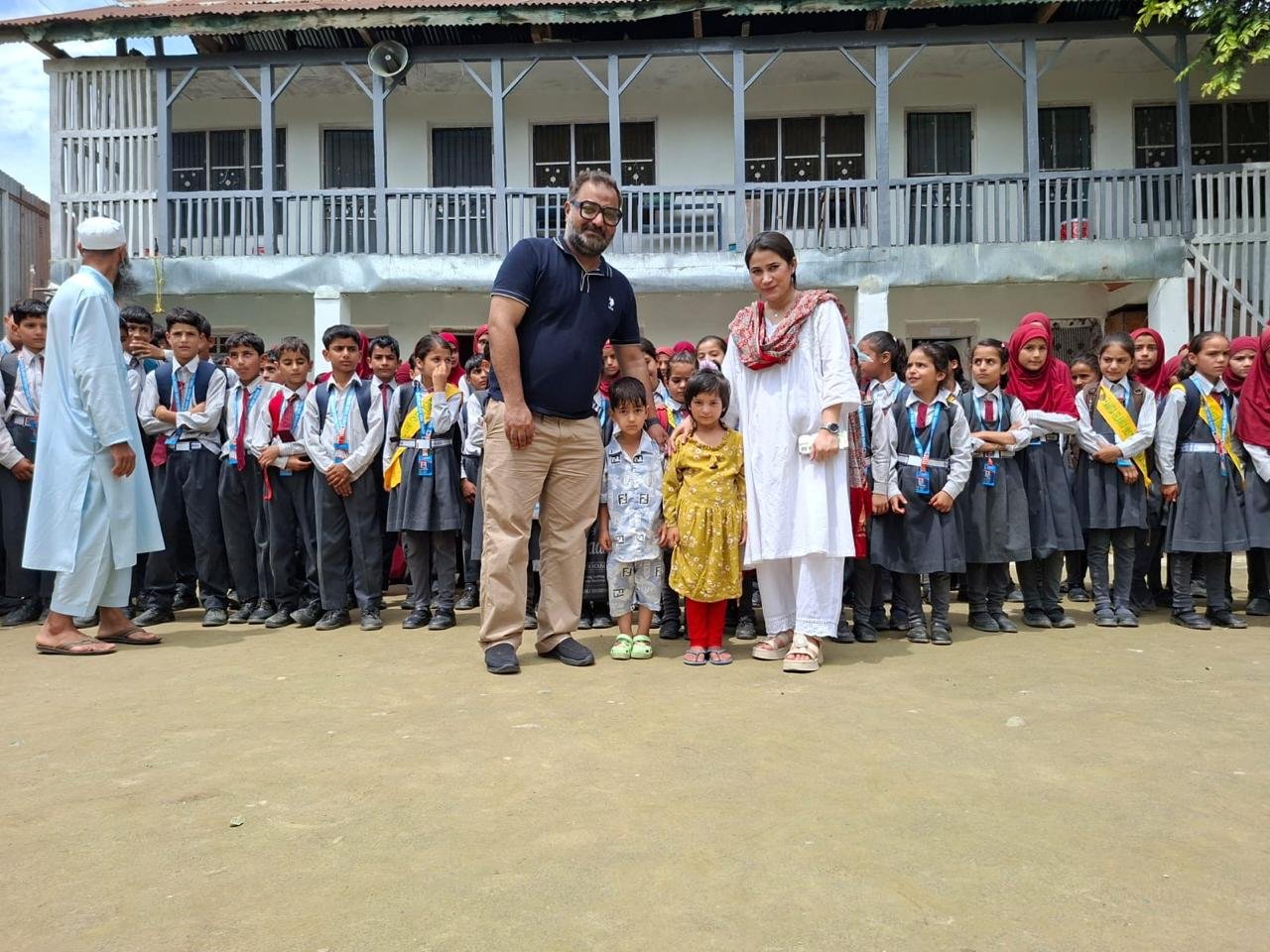
In the remote area of Bunpora Pirpora in Shopian, a government primary school once struggled with challenges that many rural schools face but few manage to overcome. Shortage of staff, inadequate accommodation, and poor infrastructure made it difficult for the school to provide the learning environment its students deserved.
Like many institutions facing such difficulties, the school had long hoped that its concerns would reach the right ears. That opportunity came when representatives from the JK Centre for Peace and Justice (JKCPJ) visited the school and took note of the issues affecting students and teachers.
The visit was more than a routine inspection. The organization's leadership highlighted the school's concerns before the relevant authorities, drawing attention to problems that had remained unresolved for years. According to the school administration, this advocacy played an important role in bringing the institution's needs into focus.
The results were significant. Staffing shortages were addressed, accommodation-related issues were eased, and a new school building worth approximately ₹25 lakh moved close to completion. For the school community, these developments represented more than infrastructure upgrades; they symbolized recognition, hope, and a renewed commitment to education.
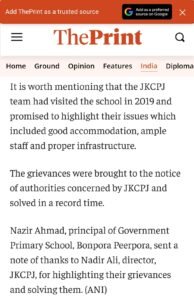
In a heartfelt message of gratitude, the school's headmaster acknowledged the support provided by JKCPJ and its Director, Nadir Ali. The letter reflects the appreciation of a community that witnessed meaningful change after years of struggle.
Yet the story does not end here.
While many of the school's immediate concerns have been resolved, one important challenge remains. The institution currently offers education only up to the 5th standard. As a result, students must leave the school and seek admission elsewhere to continue their studies. For many families, this transition creates difficulties and uncertainty.
The school administration is now advocating for the institution to be upgraded to a middle school, allowing students to continue their education up to the 8th standard. Such an upgrade would not only benefit current students but also strengthen educational opportunities for future generations in the area.
This story serves as a reminder that meaningful change often begins when local voices are heard and supported. It demonstrates the impact that collaboration between communities, civil society organizations, and government institutions can have on improving educational outcomes.
For the students of Bunpora Pirpora, the journey from neglected infrastructure to renewed hope is already underway. The next chapter may well be the transformation of their school into a full-fledged middle school, ensuring that every child has the opportunity to continue learning closer to home.
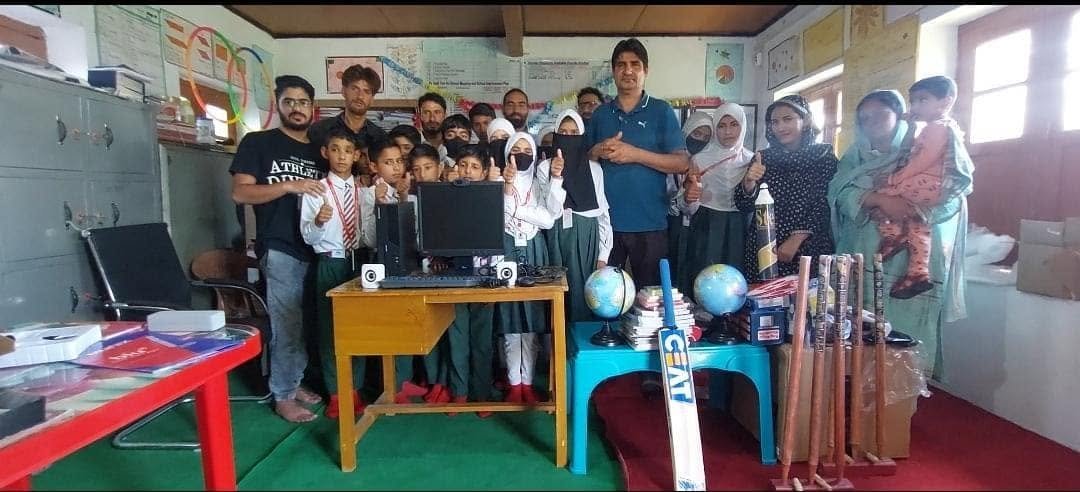
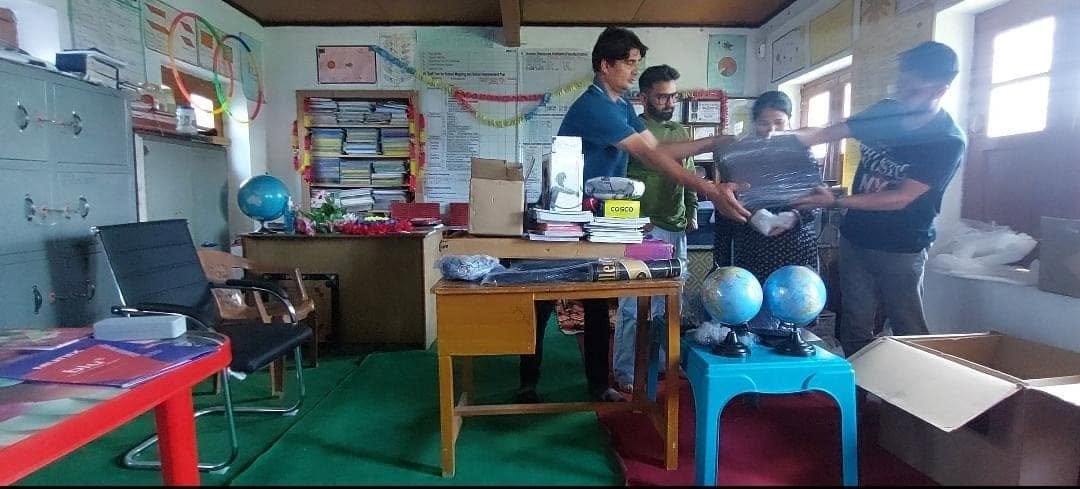
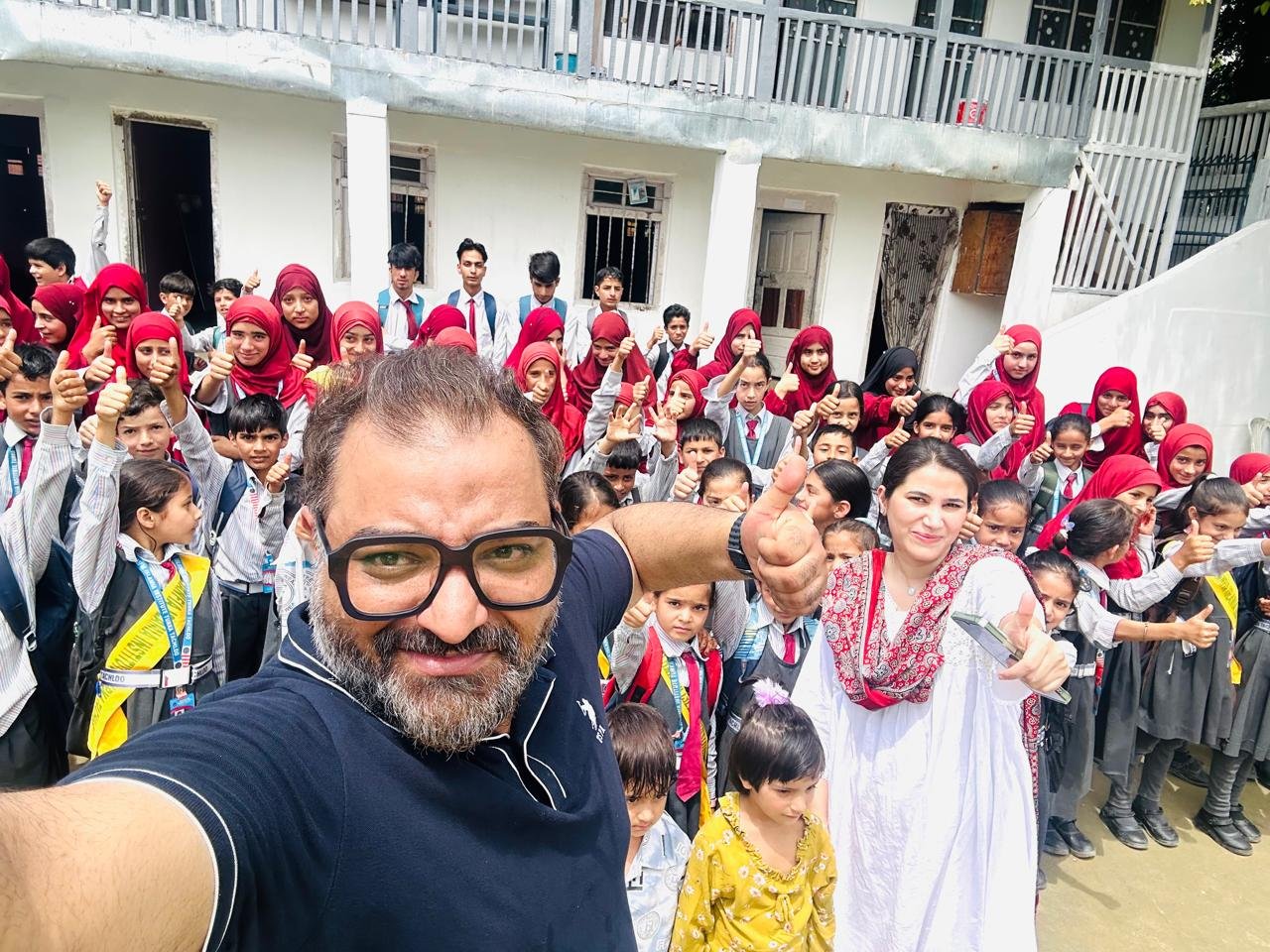
Hanfia Islamia Institute
Tachloo Anantnag
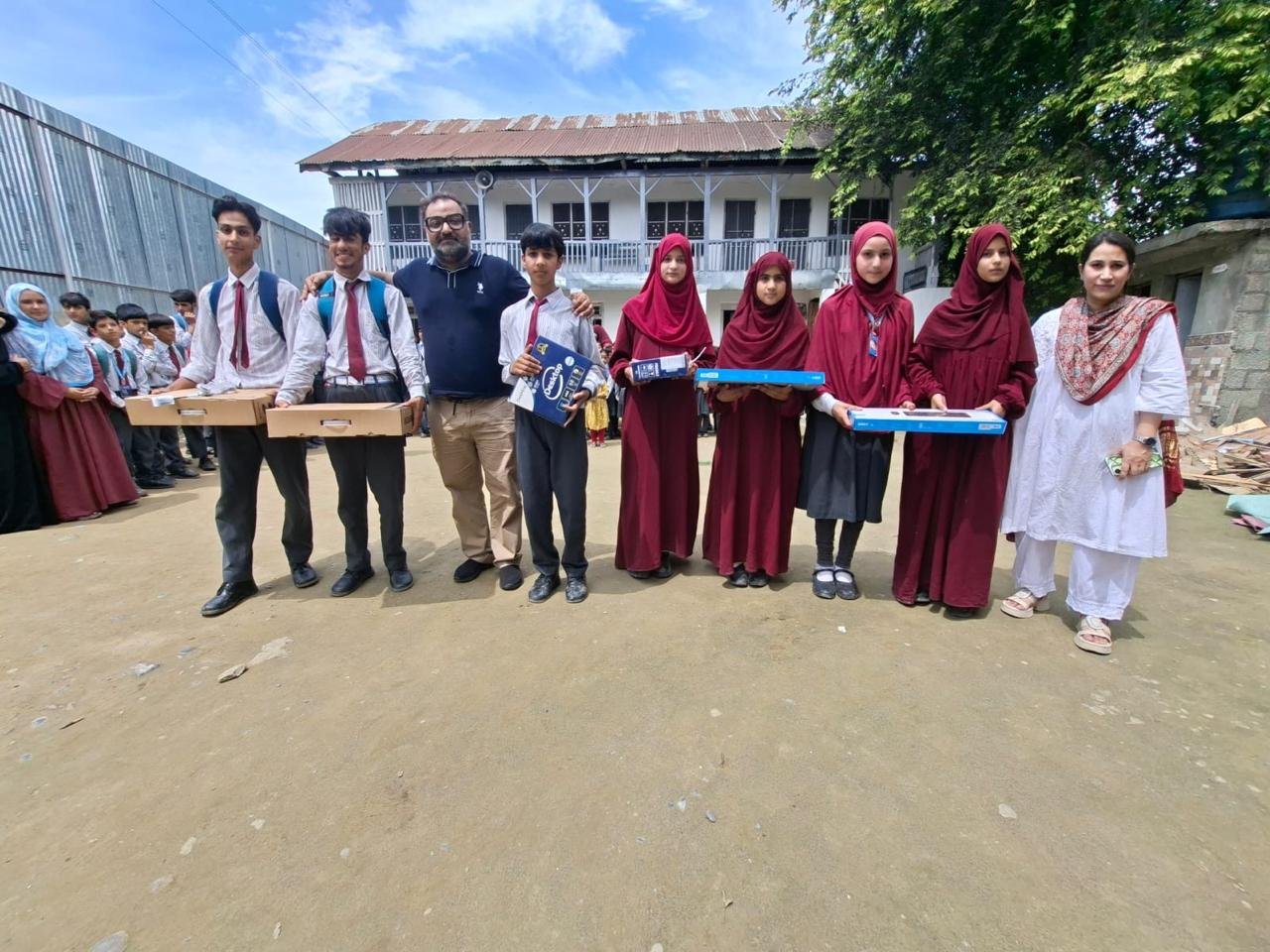
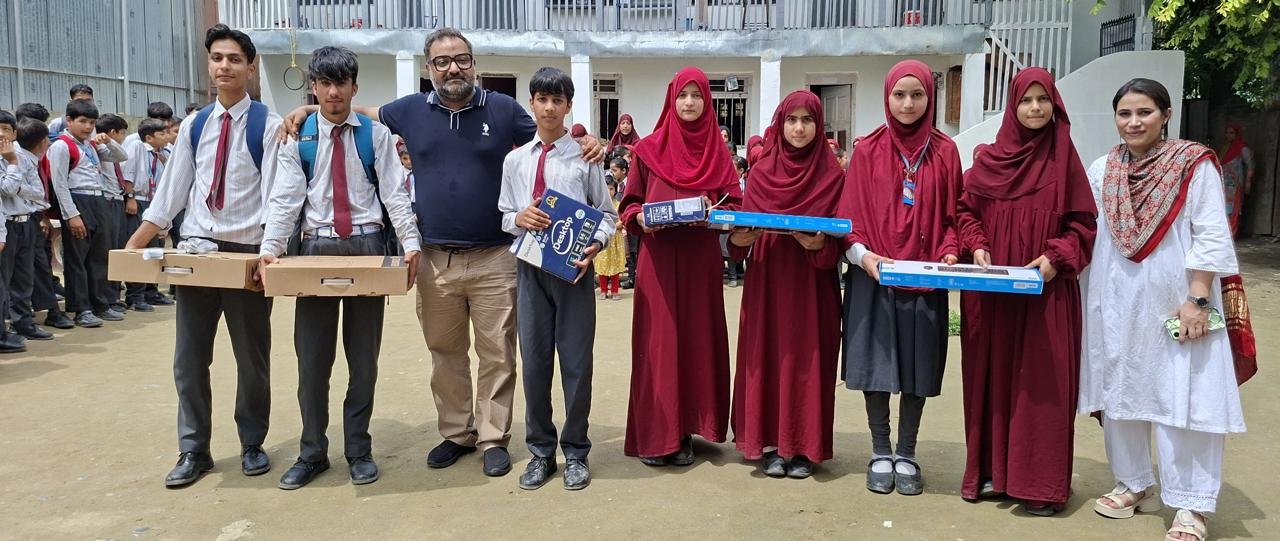
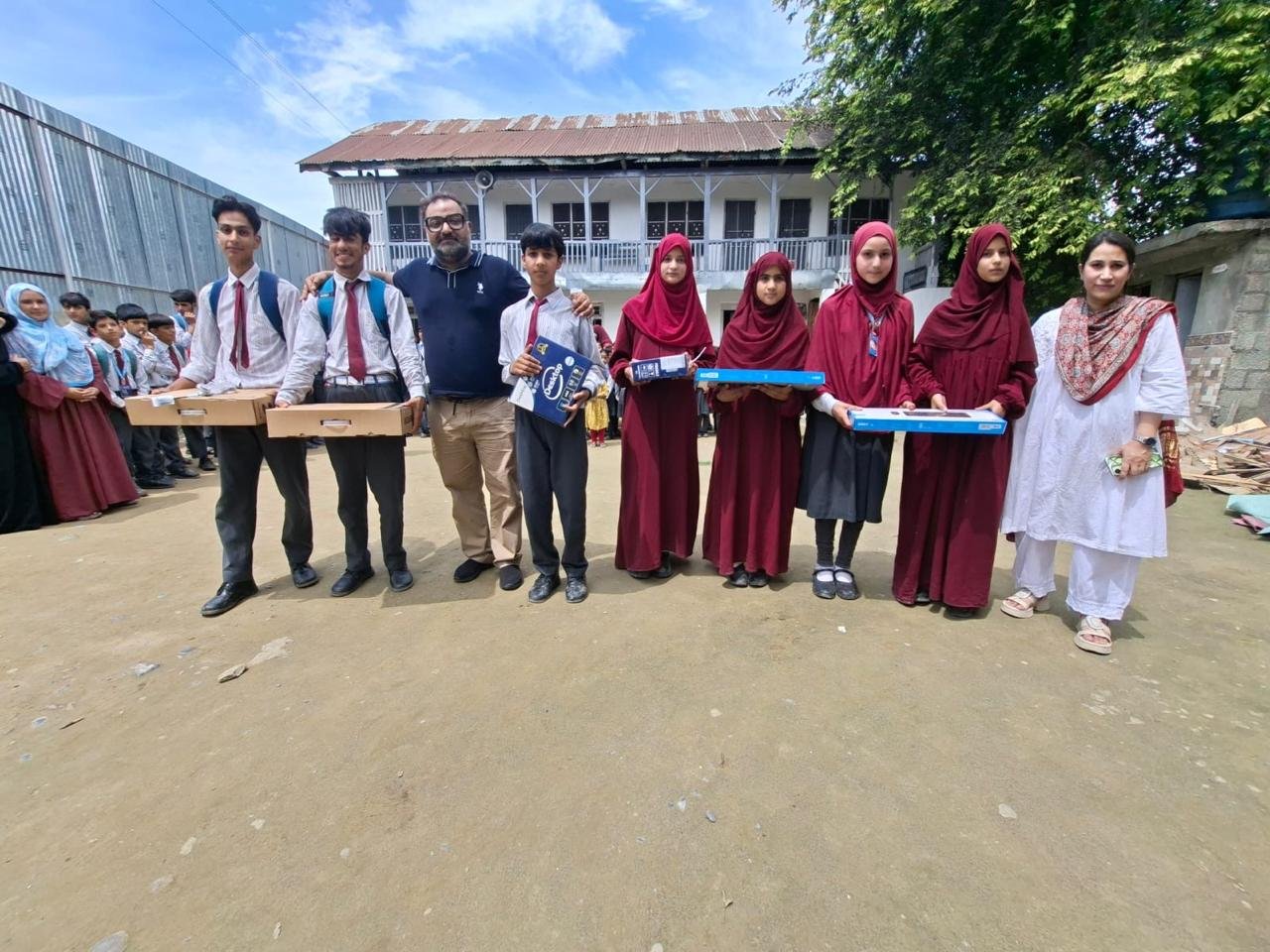
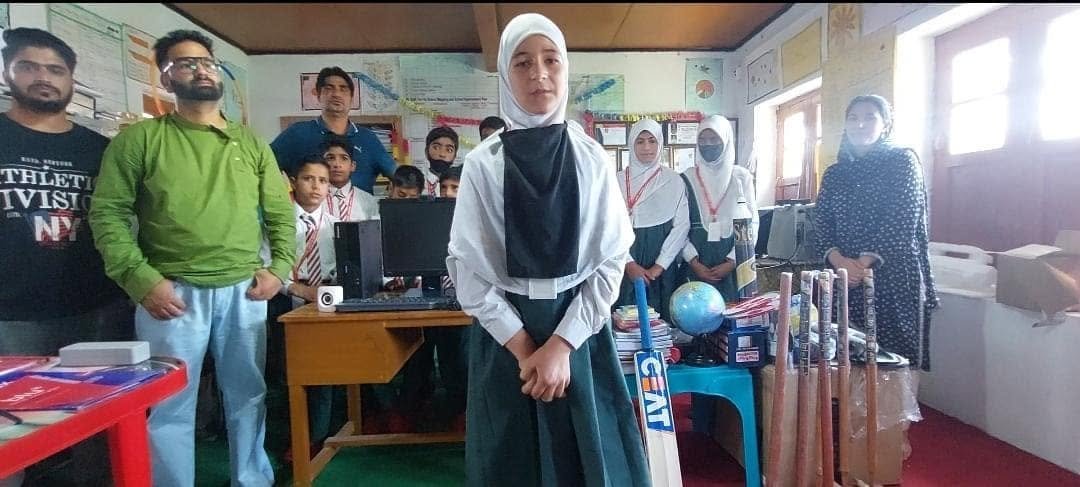
The entire team of Hanfia Islamia Institute is highly thankful to JKCPJ, a youth-oriented, independent, and multidisciplinary research organization, for donating desktops to our institute. We are also grateful to them for spending time with our students, interacting with them, and giving valuable guidance.